

Imagine your development team has finished building a new feature. The code is ready, but releasing it takes several days. Someone must check the changes, another person prepares the deployment, and the operations team worries about whether the update will affect existing users. A small release turns into a long process.
This is a common problem for businesses that develop and maintain software. As applications become more complex, teams can struggle with slow releases, repeated manual work, and communication gaps between developers and IT operations.
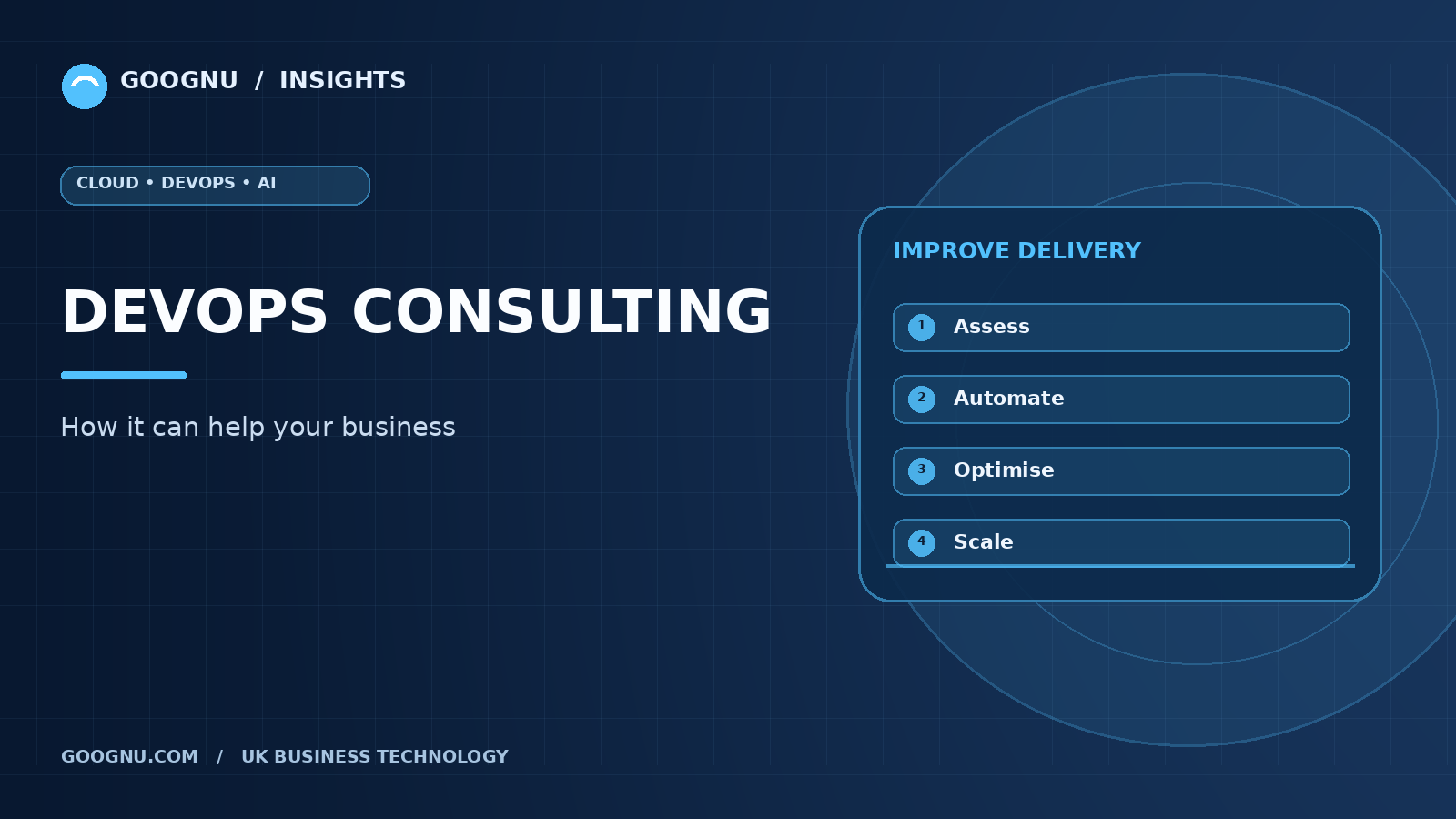
DevOps consulting services can help businesses understand these problems and build a better way of delivering software. Instead of simply introducing new tools, a DevOps consultant looks at how teams work, how applications move from development to production, and where improvements can make a real difference.
Let's explore what DevOps consulting involves, how it works, and when it makes sense for a business to consider it.
First, What Does DevOps Consulting Actually Mean?
DevOps brings software development and IT operations closer together. The aim is to help teams build, test, release, and maintain applications with fewer delays and fewer avoidable problems.
DevOps consulting involves getting expert help to improve this process. A consultant studies your existing software delivery practices, identifies areas that need attention, and recommends changes suited to your technical environment and business goals.
For example, a company might depend on developers to deploy code manually. This can lead to mistakes, inconsistent releases, and delays whenever a team member is unavailable. A DevOps consultant may recommend an automated deployment process with defined checks before changes reach production.
Another business might already use automation but still experience frequent application failures. In that case, the priority could be better testing, monitoring, or coordination between development and operations teams.
The important point is that DevOps consulting is not just about installing software. It is about improving the way software is delivered and maintained.
What Problems Can DevOps Consulting Solve?
Businesses rarely seek DevOps support without a reason. Usually, something in their existing process is making development slower, operations harder, or releases less predictable.
Here are some common situations where outside expertise can help.
Releases Take Too Long
If every software update requires several manual steps, releasing changes can become a lengthy process. Teams may need to move code between environments, run tests separately, and wait for approvals before deployment.
A consultant can examine the release process and identify tasks that are suitable for automation. This may include automated testing, build creation, deployment, and post-release checks.
The goal is to make releases more repeatable without removing necessary quality and security checks.
Small Changes Cause Unexpected Problems
A change that works on a developer's computer may behave differently in a testing or production environment. Differences in configuration, dependencies, or infrastructure can cause failures after deployment.
DevOps practices help reduce these differences through consistent environments, automated checks, and better configuration management.
Consultants can also help teams introduce testing earlier in the development process, making it easier to identify problems before they affect users.
Developers Spend Too Much Time on Routine Tasks
Developers need time to improve applications, fix bugs, and build useful features. However, they may lose hours dealing with deployment scripts, environment setup, repeated manual checks, and infrastructure requests.
A DevOps consultant can identify repetitive tasks that could be automated or simplified. This may involve creating reusable deployment workflows, improving development environments, or setting up self-service processes for common requests.
The benefit is not simply less manual work. It also gives developers a more consistent way to get their work ready for release.
Production Issues Are Difficult to Investigate
When an application becomes slow or stops working, teams need reliable information to find the cause. Without suitable monitoring, logs, and alerts, they may spend valuable time trying to understand what happened.
Consultants can help establish monitoring and logging practices that give teams better visibility into application behaviour and infrastructure health.
They can also help define incident response procedures, so everyone understands who should investigate, communicate updates, and coordinate recovery.
How DevOps Consulting Works in Practice
A useful consulting engagement should follow a clear path from understanding the problem to making measurable improvements. The exact approach depends on your applications, infrastructure, team structure, and existing tools.
1. Review the Current Setup
The consultant begins by examining how your team develops, tests, deploys, and maintains software.
This review may cover source code management, build processes, testing, infrastructure, security checks, monitoring, and communication between teams. The purpose is to understand what already works and where delays or risks appear.
2. Identify the Main Priorities
Not every problem needs an immediate technical change. The consultant works with your team to decide which improvements are most important.
For example, a business experiencing frequent deployment failures may need better testing and release controls before investing in more advanced automation. Another organisation may first need to improve its infrastructure monitoring.
A clear priority list helps avoid spending money on tools that do not address the main problem.
3. Design a Suitable DevOps Approach
Once the priorities are clear, the consultant recommends an approach that fits the business.
This could include a CI/CD pipeline, infrastructure automation, containerisation, improved monitoring, or stronger security checks. The recommendations should explain why each change is needed and how it supports the intended outcome.
4. Implement and Test Improvements
Depending on the agreement, the consultant may help configure tools, automate workflows, improve deployment processes, or introduce new monitoring practices.
Changes should be tested before being used for important production systems. This is particularly important when updating deployment procedures or infrastructure that supports customer-facing applications.
5. Help the Team Adopt the New Process
Even a well-designed technical solution can fail if the team does not understand how to use it.
Consultants may provide documentation, training, and practical guidance to help developers and operations staff work with the updated process.
6. Review the Results
The final stage involves checking whether the changes have addressed the original problems.
Depending on the project, useful measures may include deployment frequency, release lead time, failed deployment rates, recovery time after incidents, or the amount of manual work involved in releases.
These measurements help businesses decide what to improve next.
Where Do DevOps Tools Fit In?
Tools are an important part of DevOps, but choosing them should come after understanding the problem. Buying several tools without a clear plan can make an already complicated process harder to manage.
A consultant may recommend different tools for different parts of the software delivery process.
- Source code management: Git-based platforms help teams track changes, review code, and collaborate on software development.
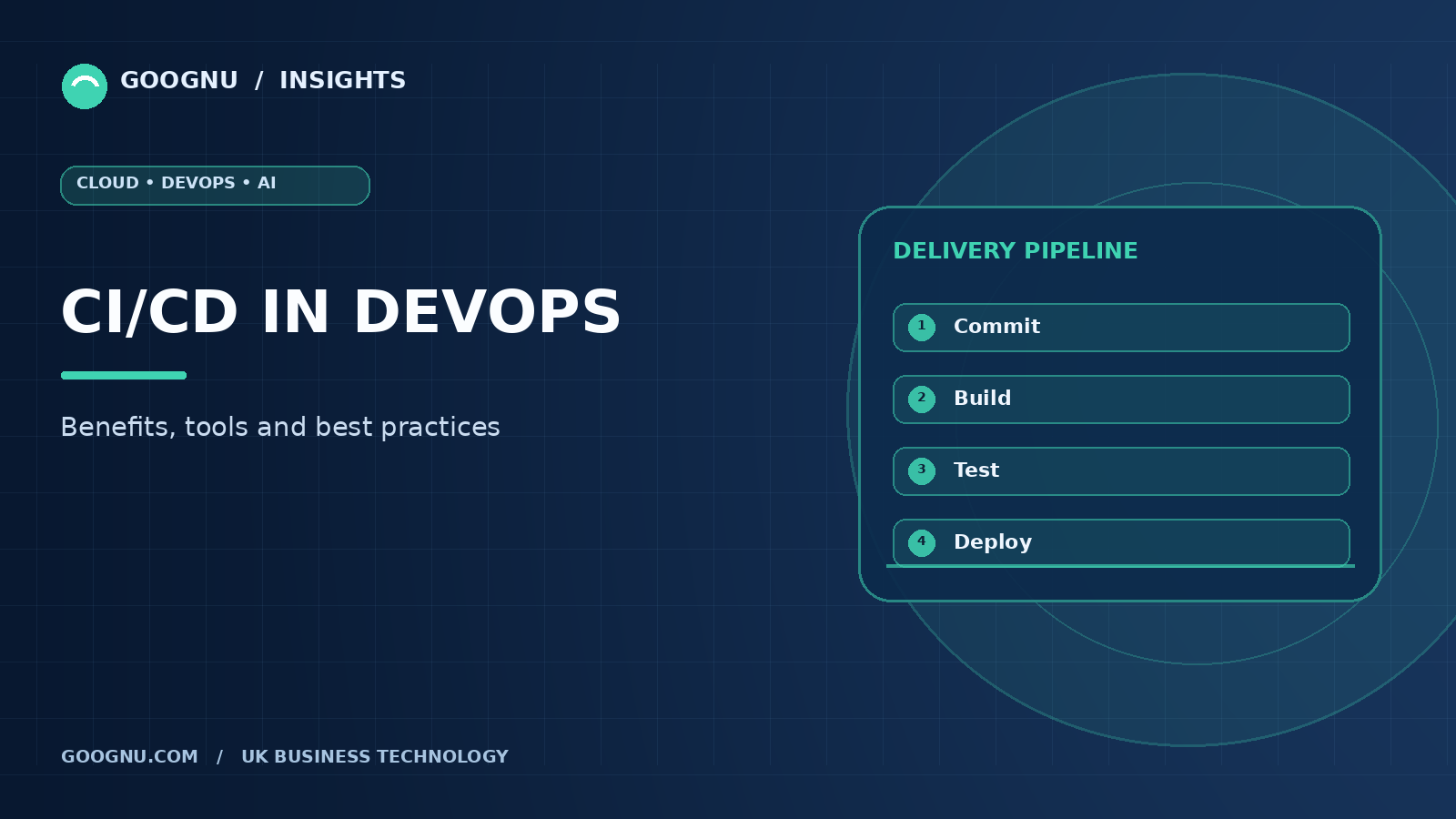
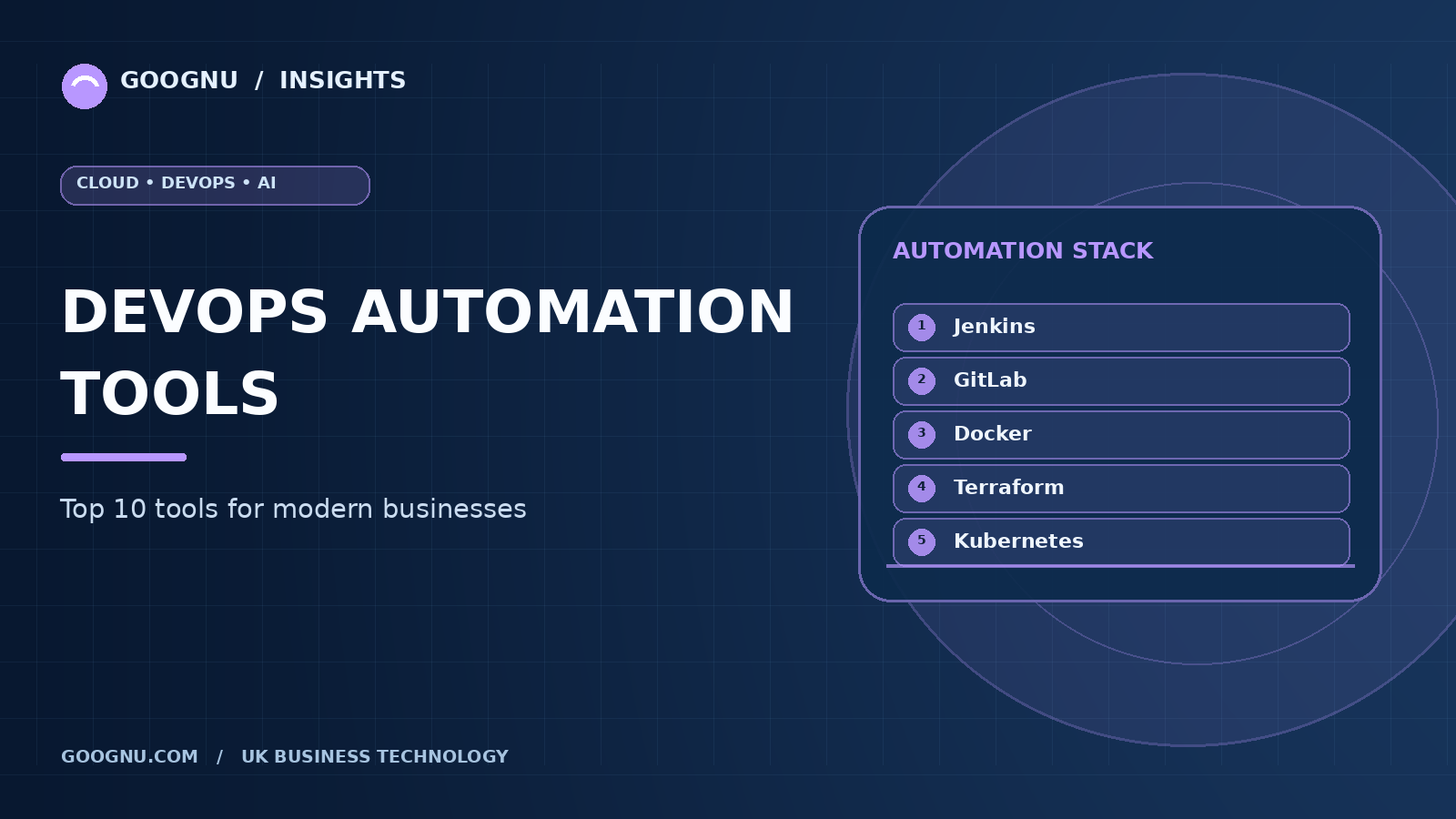
- CI/CD automation: Tools such as Jenkins, GitHub Actions, and GitLab CI/CD can automate builds, tests, and deployment workflows.
- Infrastructure management: Terraform and similar tools can help teams define and manage infrastructure through code.
- Containers and orchestration: Docker and Kubernetes can support consistent application packaging and the management of containerised workloads.
- Monitoring and logging: Tools such as Prometheus and Grafana can help teams observe system performance and investigate operational issues.
- Security checks: Automated scanning and testing tools can help identify certain vulnerabilities and configuration problems during development and deployment. Not every business needs all these tools. A smaller team may benefit more from improving its existing pipeline than replacing its entire toolset.
Good DevOps consulting services focus on selecting and connecting tools that solve real problems rather than creating unnecessary technical complexity.
What Business Benefits Can You Expect?
The value of DevOps consulting depends on the problems being addressed and how well the recommendations are implemented. However, several improvements are common goals.
Faster software delivery: Automated workflows can reduce the time spent on repetitive release tasks, helping teams deliver tested changes more frequently.
More consistent releases: Standardised build and deployment processes reduce dependence on individual team members remembering every manual step.
Earlier problem detection: Automated tests and monitoring can help teams discover certain defects and operational issues before they affect more users.
Better teamwork: Shared workflows and clearer responsibilities can reduce delays caused by handovers between development and operations.
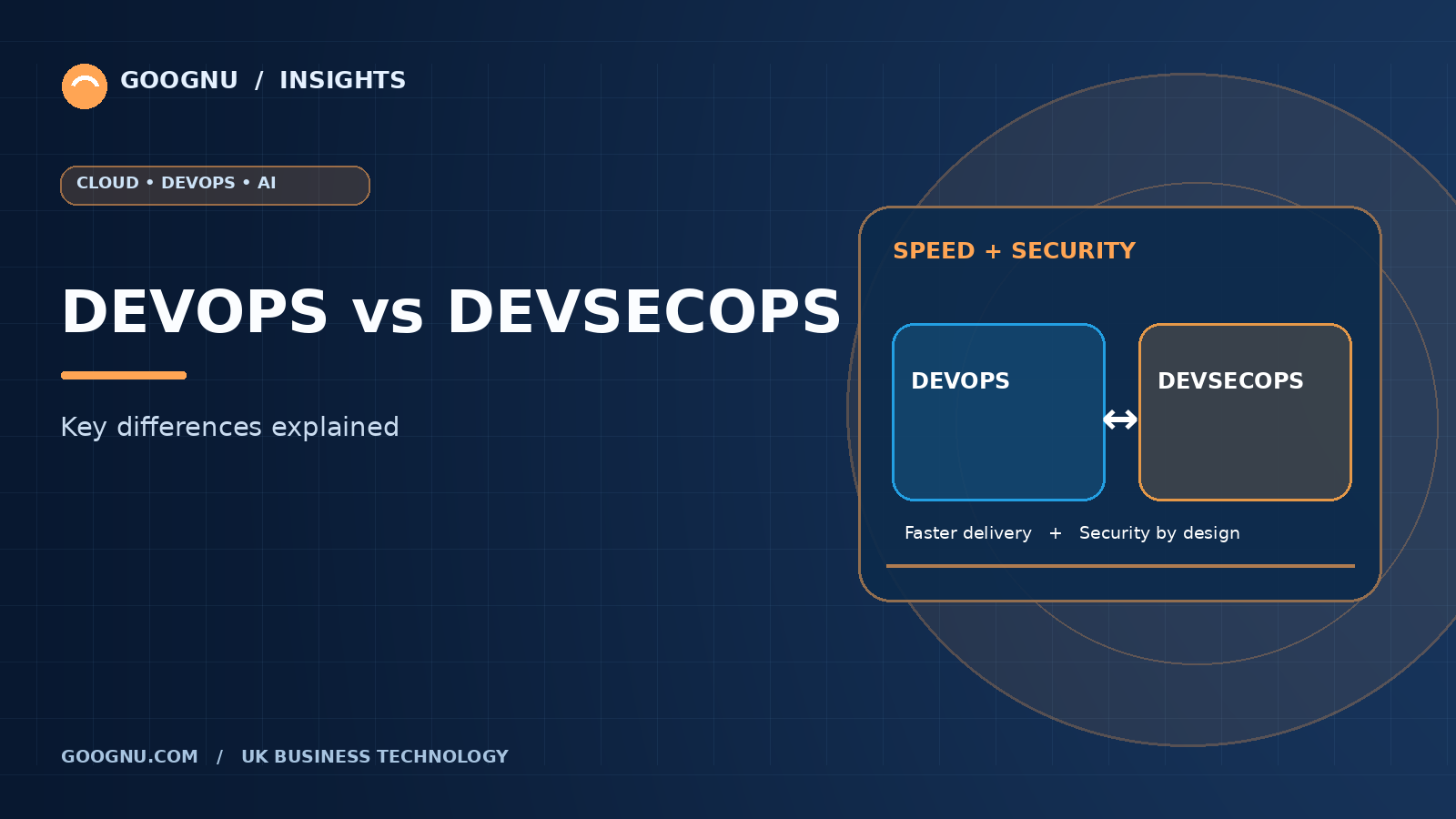
Improved security practices: Security checks can become part of development and deployment rather than being left until the end of a project.
Clearer operational visibility: Monitoring and logging help teams understand application behaviour and make decisions using better information.
These are outcomes to work towards, not automatic guarantees. Results depend on the starting point, the quality of implementation, and whether the organisation follows the new practices consistently.
Is DevOps Consulting Right for Your Business?
DevOps consulting can be useful for organisations that develop software regularly but find their delivery process difficult to manage.
It may be worth considering if your releases involve too many manual steps, production incidents are difficult to investigate, or development and operations teams struggle to coordinate their work. It can also help businesses preparing for application modernisation, cloud migration, or a period of rapid product growth.
However, consulting is not always the first thing a business needs. If your main problem is a single poorly maintained application, fixing that application may be the sensible starting point. If the team already has effective DevOps practices, targeted improvements may be more useful than a complete redesign.
Before hiring a consultant, identify the problems you want to solve, the systems involved, and the results you expect. Ask potential providers how they would assess your current setup, what they would prioritise, and how they would measure progress.
You should also clarify whether the engagement covers advice alone or includes implementation, training, and support after the changes are introduced.
Final Thoughts
DevOps consulting helps businesses improve the way they build, test, release, and maintain software. It can address problems such as slow deployments, repeated manual work, inconsistent environments, and limited visibility into production issues.
The best starting point is not choosing a popular tool or copying another company's setup. It is understanding what slows your team down and finding a practical way to improve that process.
With the right plan, DevOps consulting services can help your business create more reliable release workflows, make better use of its existing tools, and give development teams more time to focus on building useful software.
Frequently Asked Questions
1. What do DevOps consultants do?
DevOps consultants review software delivery and IT operations processes, identify weaknesses, and recommend improvements. Depending on the engagement, they may also implement automation, configure tools, improve monitoring, and train internal teams.
2. Are DevOps consulting services suitable for small businesses?
Yes. Small businesses can use DevOps consulting to improve deployment processes, reduce repetitive tasks, and establish practical development workflows. The engagement can be limited to a specific problem rather than covering the entire technology environment.
3. How long does a DevOps consulting project take?
The timeline depends on the work involved. A focused assessment may take considerably less time than implementing a complete CI/CD pipeline or changing infrastructure management practices. The consultant should provide a realistic timeline after reviewing your requirements.
4. What is the difference between DevOps consulting and DevOps managed services?
DevOps consulting generally focuses on assessing problems, planning improvements, and helping implement better practices. DevOps managed services involve ongoing operational support, although some providers combine both offerings.
5. How do I know whether DevOps consulting is working?
Compare results against your starting point. Depending on your goals, you could measure release lead time, deployment frequency, failed deployments, recovery time after incidents, and the amount of manual work required for routine tasks.