

Software teams need to release applications quickly while keeping them reliable and secure. Two approaches that help achieve these goals are DevOps and DevSecOps. Both bring development and operations teams closer together, but they differ in how they handle security.
Understanding DevOps vs DevSecOps can help businesses choose an approach that fits their software development process, security needs, and delivery goals.
What Is DevOps?
DevOps combines software development and IT operations to help teams build, test, release, and maintain applications more efficiently. Instead of working separately, developers and operations professionals share responsibility for delivering software.
Traditional software development often involves long handovers between teams. Developers write the code, testers check it, and operations teams prepare it for release. These separate steps can cause delays, communication gaps, and problems during deployment.
DevOps reduces these gaps through teamwork, automation, continuous testing, and regular feedback. Teams can identify issues earlier, release updates more frequently, and respond to user needs faster.
Common DevOps practices include:
- Continuous Integration (CI): Developers regularly merge code changes into a shared repository, where automated checks help identify problems.
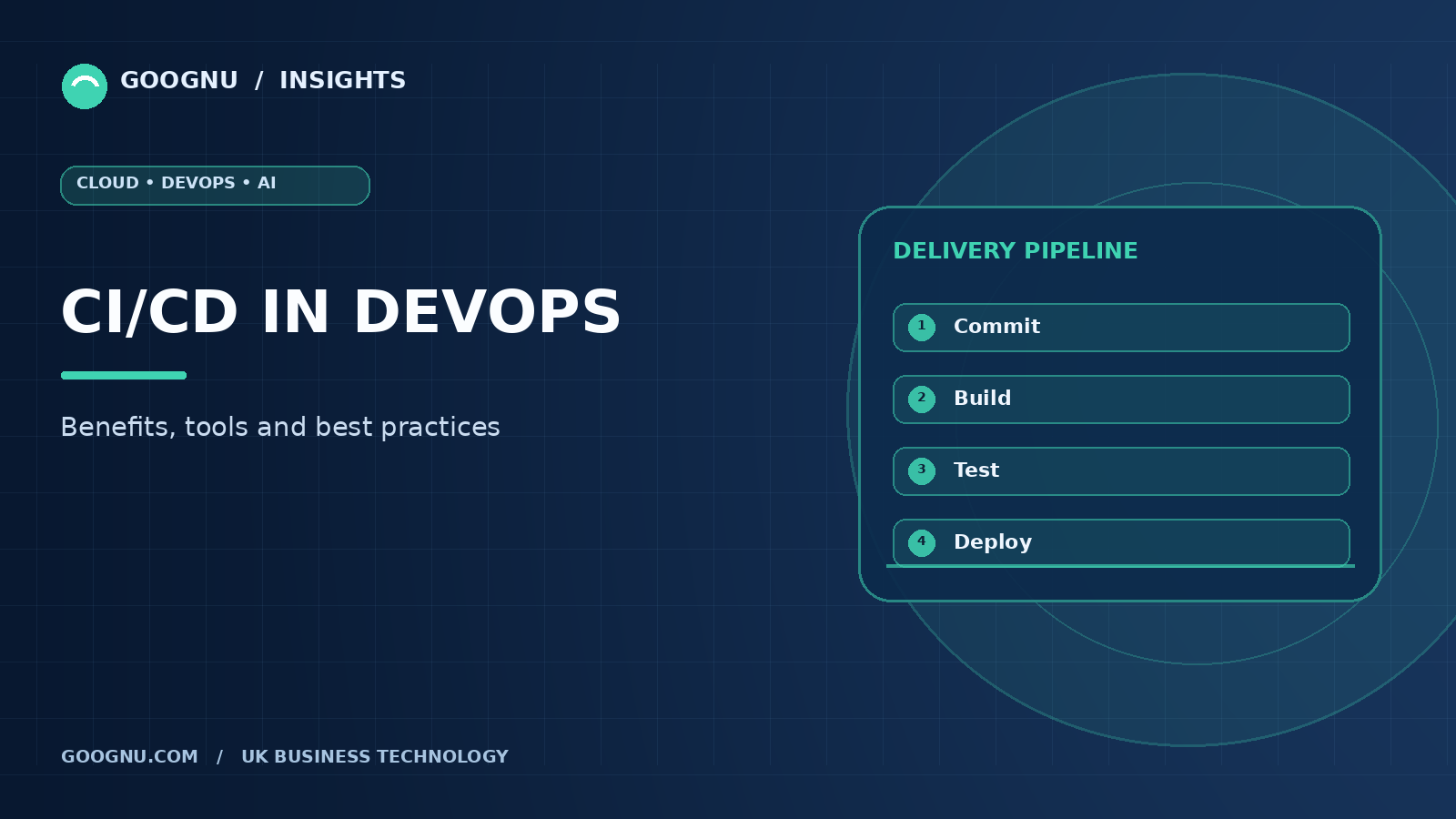
- Continuous Delivery (CD): Automated processes prepare tested software for release, making deployments more consistent.
- Infrastructure as Code (IaC): Teams manage infrastructure through configuration files instead of setting up every resource manually.
- Monitoring and feedback: Teams track application performance, review errors, and use the results to improve future releases. Security still matters in DevOps. However, in teams with a traditional security process, detailed security checks may happen late in development or remain the responsibility of a separate team.
What Is DevSecOps?
DevSecOps stands for Development, Security, and Operations. It builds on DevOps by making security a shared responsibility throughout the software development lifecycle.
Rather than waiting until an application is ready for release, teams check for security risks during planning, coding, testing, deployment, and maintenance. Developers, security specialists, and operations professionals work together to identify weaknesses before they reach production.
For example, a team building an online payment application may use automated tools to check code for security flaws, scan third-party packages for known vulnerabilities, and review cloud settings before deployment.
Common DevSecOps practices include:
- Code security checks: Static Application Security Testing (SAST) tools examine source code for potential weaknesses.
- Dependency scanning: Teams check external libraries and packages for known vulnerabilities.
- Infrastructure security: Automated checks identify risky cloud settings and infrastructure configurations.
- Security monitoring: Teams monitor running applications for suspicious activity and respond to emerging threats. DevSecOps does not remove the need for security experts or manual reviews. It brings security checks into everyday development work so teams can address risks earlier.
DevOps vs DevSecOps: The Main Differences
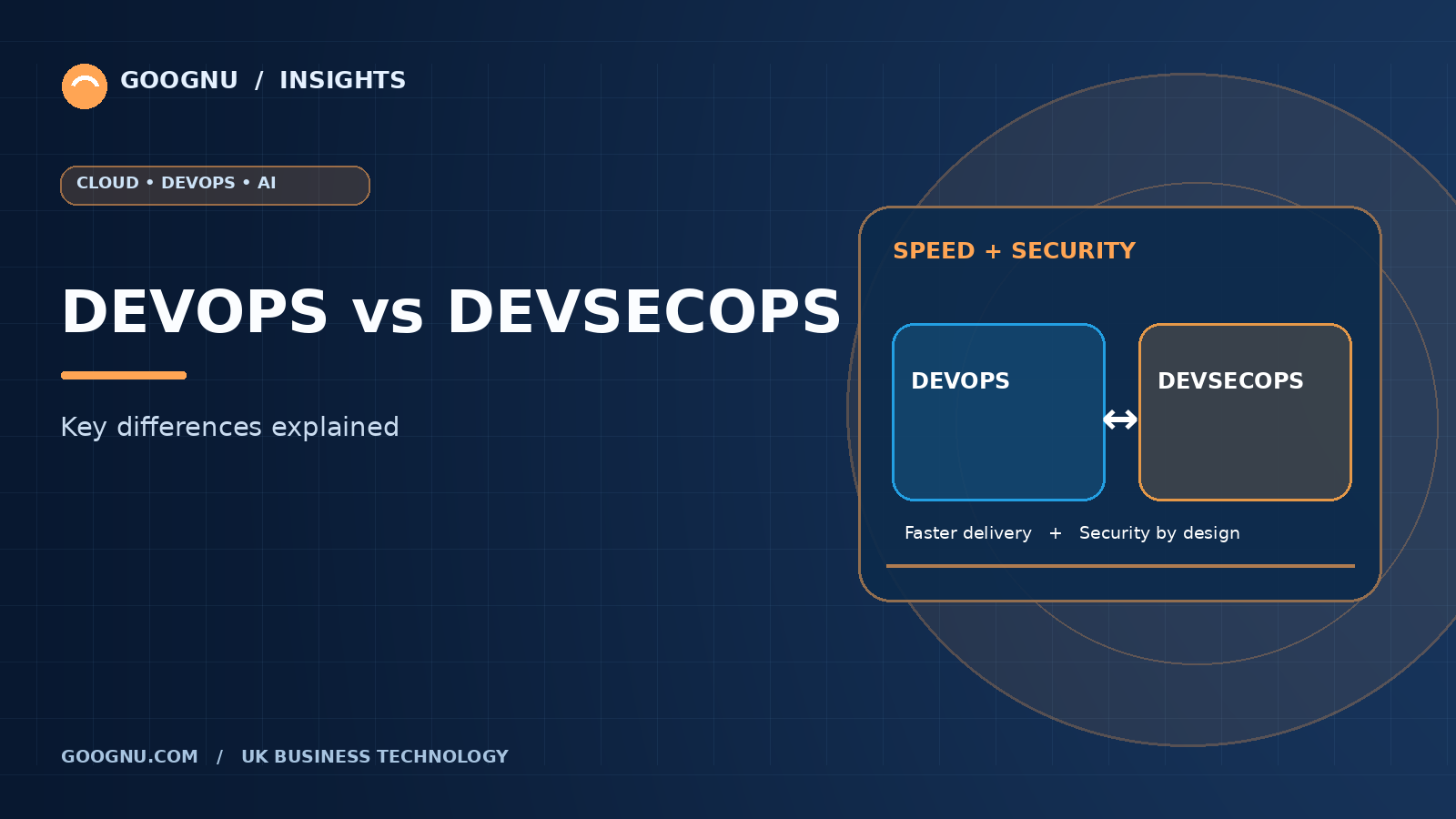
The main difference in DevOps vs DevSecOps is the role security plays in software delivery. DevOps focuses on collaboration, automation, and reliable releases. DevSecOps includes these goals while placing greater emphasis on security at every stage.
1. Main Goal
DevOps: The primary goal is to improve cooperation between development and operations teams. Automation and shared responsibility help teams deliver software more often and maintain reliable applications.
DevSecOps: The goal is to achieve these improvements while identifying and reducing security risks throughout development and operations.
2. Approach to Security
DevOps: Security may be handled through separate reviews or existing security processes. Some DevOps teams already include security checks in their pipelines, depending on their requirements.
DevSecOps: Security checks are deliberately included throughout the development lifecycle. Teams look for vulnerabilities during coding, testing, deployment, and production monitoring.
3. Tools and Automation
DevOps: Common tools support version control, automated builds, testing, deployment, infrastructure management, and application monitoring.
DevSecOps: Teams use these tools along with security tools for code analysis, dependency scanning, secrets detection, vulnerability testing, and configuration reviews.
The two approaches can use many of the same tools. The difference lies in how teams include security checks in their processes.
4. Team Responsibilities
DevOps: Developers and operations professionals work together to manage software delivery, deployment, and application performance.
DevSecOps: Development, security, and operations teams share responsibility for identifying and managing security risks. Developers may fix code weaknesses, security specialists guide security practices, and operations teams protect the running environment.
5. When Problems Are Found
DevOps: Teams use testing and monitoring to find problems and fix them. Security issues may also be discovered through these processes, but the timing depends on the team's practices.
DevSecOps: Teams aim to detect security weaknesses early, when they are often easier and less expensive to fix. Automated alerts and security tests can help developers address issues before a release.
6. Measuring Success
DevOps: Teams often measure deployment frequency, release lead time, change failure rate, recovery time, and application reliability.
DevSecOps: Teams track these measures alongside security indicators, such as vulnerabilities found, time taken to fix them, and the number of security issues reaching production.
Neither approach should focus on speed alone. Software quality, reliability, and user trust also matter.
DevOps vs DevSecOps at a Glance
Instead of treating the two approaches as competing choices, consider how their priorities differ:
- Primary focus: DevOps improves software delivery; DevSecOps combines delivery improvements with security throughout the process.
- Security checks: DevOps practices vary by team; DevSecOps makes security checks a planned part of the workflow.
- Team involvement: DevOps brings development and operations together; DevSecOps adds security as a shared responsibility.
- Automation: Both use automation, but DevSecOps also automates security testing and risk checks.
- Best outcome: DevOps aims for reliable and frequent releases; DevSecOps aims for reliable releases with stronger security practices. These differences are not absolute rules. Many mature DevOps teams already follow strong security practices. DevSecOps makes those practices more explicit and consistent.
Benefits of DevOps
DevOps can help organisations improve how they build and deliver software.
- Faster releases: Automated builds, testing, and deployment reduce delays between development and delivery.
- Better teamwork: Shared responsibility helps reduce handover problems between developers and operations teams.
- Fewer manual errors: Automation makes repeated tasks more consistent.
- Faster recovery: Monitoring and clear response processes help teams identify and resolve production issues.
- Regular improvements: Frequent feedback allows teams to improve applications based on performance and user needs. DevOps is especially useful for teams that need to release updates regularly and maintain reliable services.
Benefits of DevSecOps
DevSecOps offers the benefits of DevOps while making security a regular part of software delivery.
- Early risk detection: Security checks can identify weaknesses before applications reach production.
- Lower repair costs: Fixing a problem during development may require less work than correcting it after release.
- Better protection: Code reviews, dependency checks, and configuration scans help reduce avoidable security risks.
- Improved compliance: Automated checks and recorded results can support internal security policies and regulatory requirements.
- Clearer ownership: Teams know who is responsible for identifying, reporting, and fixing security issues. DevSecOps is particularly valuable for applications that handle sensitive information, financial transactions, customer records, or business-critical services.
How to Choose Between DevOps and DevSecOps
The right choice depends on your current processes, security risks, and business goals.
DevOps may be a suitable starting point if your organisation struggles with slow releases, manual deployments, poor communication, or unreliable application updates. It can help establish automation and shared ownership across development and operations.
DevSecOps is worth prioritising when software security is a major concern, applications handle sensitive data, or security reviews repeatedly delay releases. It is also useful when your organisation needs stronger evidence that security checks are being completed consistently.
Before choosing, consider these questions:
- What risks do you face? Review the sensitivity of your data, application exposure, and possible impact of a security incident.
- Where do delays occur? Identify whether release problems come from manual work, testing, approvals, or late security findings.
- What tools do you use? Check whether your existing CI/CD pipeline can support automated security testing.
- Who owns security? Make sure teams understand their responsibilities and know how to respond to findings.
- How will you measure progress? Track delivery performance alongside security results instead of focusing on release speed alone. You do not need to change everything at once. Start by reviewing your current workflow, adding suitable security checks, and improving the process based on the results.
Can DevOps and DevSecOps Work Together?
Yes. DevSecOps is an extension of DevOps rather than a completely separate approach. Both rely on collaboration, automation, continuous improvement, and feedback.
An organisation can begin with DevOps practices and gradually add security checks to its pipeline. For example, a team might first automate builds and deployments, then introduce dependency scanning, code analysis, secrets detection, and infrastructure security checks.
The important step is to make security part of normal development work rather than treating it as a final approval stage. Teams should also review security alerts carefully so automated tools do not create unnecessary delays or encourage developers to ignore warnings.
With the right processes, businesses can improve release speed without overlooking security.
Final Thoughts
The key difference in DevOps vs DevSecOps is how security is included in software delivery. DevOps improves collaboration and helps teams release reliable software more efficiently. DevSecOps builds on those practices by making security a shared responsibility from planning through production.
For businesses developing modern applications, the two approaches can work together. The best starting point is to assess your current workflow, identify the most important risks, and introduce improvements that support both reliable delivery and stronger security.
Frequently Asked Questions
1. Is DevSecOps better than DevOps?
Neither is automatically better for every organisation. DevSecOps extends DevOps with a stronger focus on security throughout development. The right approach depends on your business needs, application risks, and existing practices.
2. Does DevSecOps replace DevOps?
No. DevSecOps builds on DevOps principles, including automation, teamwork, continuous delivery, and monitoring. It adds planned security checks and shared responsibility for reducing risks.
3. What tools are used in DevSecOps?
Teams may use tools for source-code analysis, dependency scanning, secrets detection, container security, infrastructure configuration checks, and dynamic application testing. The tools depend on the technology stack and security requirements.
4. Can a small business adopt DevSecOps?
Yes. A small business can begin with basic measures, such as protecting credentials, scanning dependencies, checking code, and reviewing cloud configurations. It can introduce more checks as its applications and security needs grow.
5. What skills are needed for DevSecOps?
DevSecOps professionals benefit from knowledge of software development, CI/CD pipelines, cloud infrastructure, automation, security testing, vulnerability management, and monitoring. Strong communication skills also help teams work together to resolve risks.