

Every business generates data from different sources, including websites, customer interactions, mobile applications, business software, and connected devices. This information can help teams understand customer behaviour, track performance, and make better decisions. However, working with data becomes difficult when it is stored in separate systems or arrives in different formats.
A data lake provides a way to bring large amounts of information into one central storage environment. It allows businesses to keep raw data until they need it for reporting, analysis, or machine learning. Understanding what is a data lake and how it works can help organisations choose a suitable approach to managing their growing data needs.
What Is a Data Lake?
A data lake is a central repository that stores large volumes of data in its original or near-original format. It can hold structured data, such as database tables, semi-structured data, such as JSON files, and unstructured data, such as images, documents, audio, and video.
Unlike traditional systems that often require data to follow a predefined structure before storage, a data lake allows organisations to collect information first and decide how to process it later. This approach is useful when teams are unsure how they will use particular data in the future.
For example, an online retail company may collect customer orders, website activity, product images, customer reviews, and delivery records. A data lake can store these different data types in one environment. Analysts can later examine buying patterns, while data scientists can use the information to develop product recommendation models.
A data lake is not simply a folder containing files. A well-managed lake includes storage organisation, access controls, metadata, data quality checks, and processes that help users find and work with relevant information.
How Does a Data Lake Work?
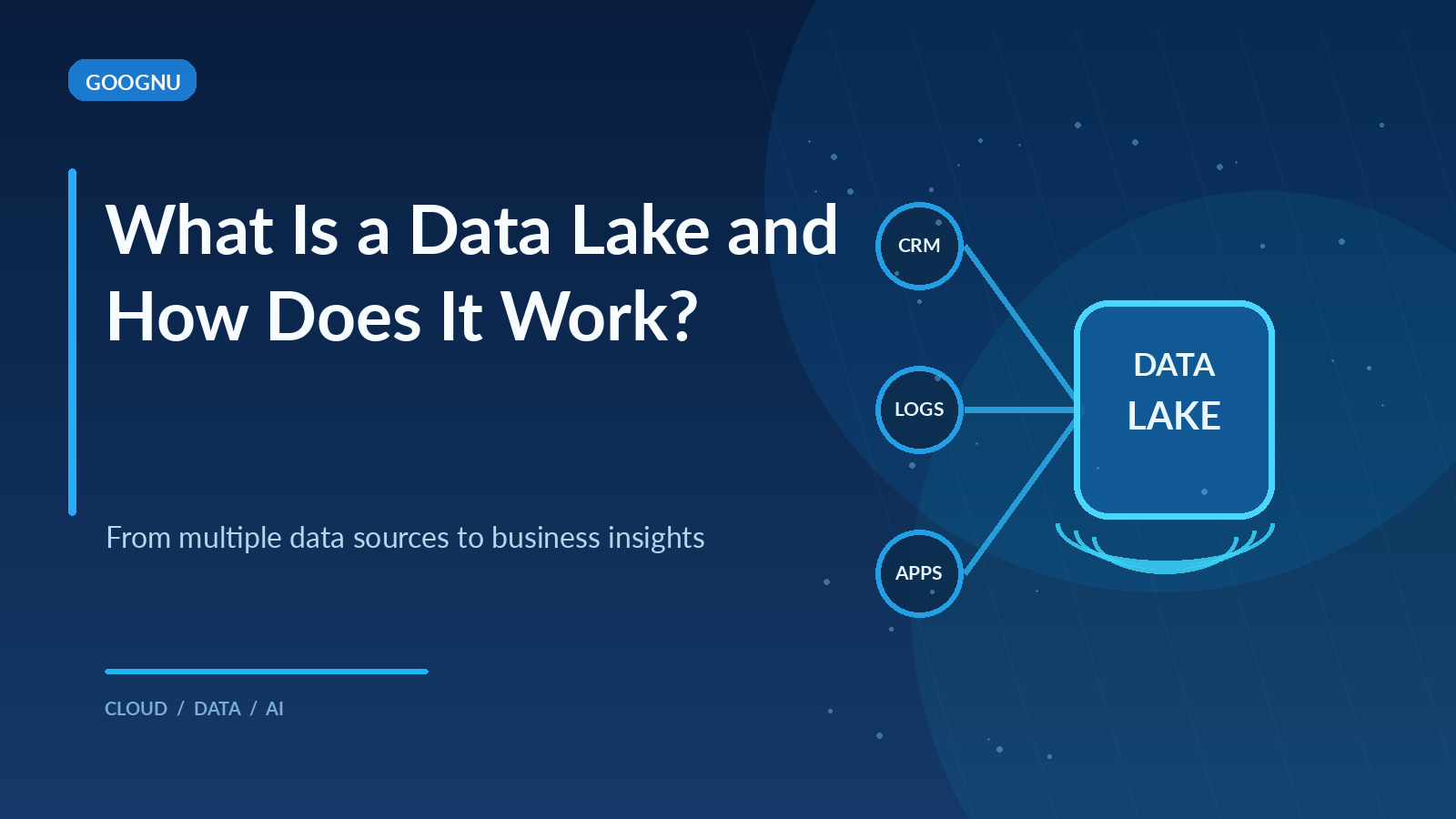
A data lake usually follows a series of steps that move information from its source to useful business outcomes. The exact design depends on the organisation's data sources, storage platform, and intended use.
1. Collecting Data from Different Sources
The process begins when data enters the lake from business applications, databases, cloud services, sensors, log files, and other sources. Information may arrive continuously in real time or through scheduled batch transfers.
For instance, a logistics company could collect vehicle location updates throughout the day and import delivery records every night. Supporting both methods allows the company to work with current information and historical records.
2. Storing Information
After collection, the data is placed in a storage environment, often built using cloud object storage or distributed storage systems. Information can remain in its original format until a specific task requires processing.
Storage areas may be organised by source, date, department, or data type. Metadata describes what each dataset contains, where it came from, and when it was collected. This information helps users locate relevant records without examining every file manually.
3. Processing and Preparing Data
Raw data may contain duplicate records, missing values, inconsistent formats, or errors. Processing tools help clean, validate, combine, and transform the information before it is used.
Some data can be processed as soon as it arrives, while other information may be prepared only when an analyst requests it. Teams can also create trusted datasets for repeated reporting and business operations.
4. Analysing the Data
Once suitable data is available, users can work with it through analytics tools, SQL queries, dashboards, and machine learning platforms. The results may reveal customer trends, operational problems, unusual activity, or opportunities to improve services.
This is how stored information becomes useful for everyday decisions.
What Types of Data Can a Data Lake Store?
One reason businesses use data lakes is their ability to support different forms of information without requiring every source to follow the same structure.
Structured data: Organised records from relational databases, spreadsheets, financial systems, and transaction platforms.
Semi-structured data: Information in formats such as JSON, XML, and application event logs that contain identifiable fields but may not follow a fixed table structure.
Unstructured data: Documents, photographs, recordings, videos, emails, and other content that does not fit naturally into conventional database tables.
Combining these data types can give teams a broader view of business activity. For example, a healthcare technology provider may analyse structured appointment records alongside application logs to understand system usage and service performance, subject to appropriate privacy and access controls.
Key Differences Between a Data Lake and a Data Warehouse
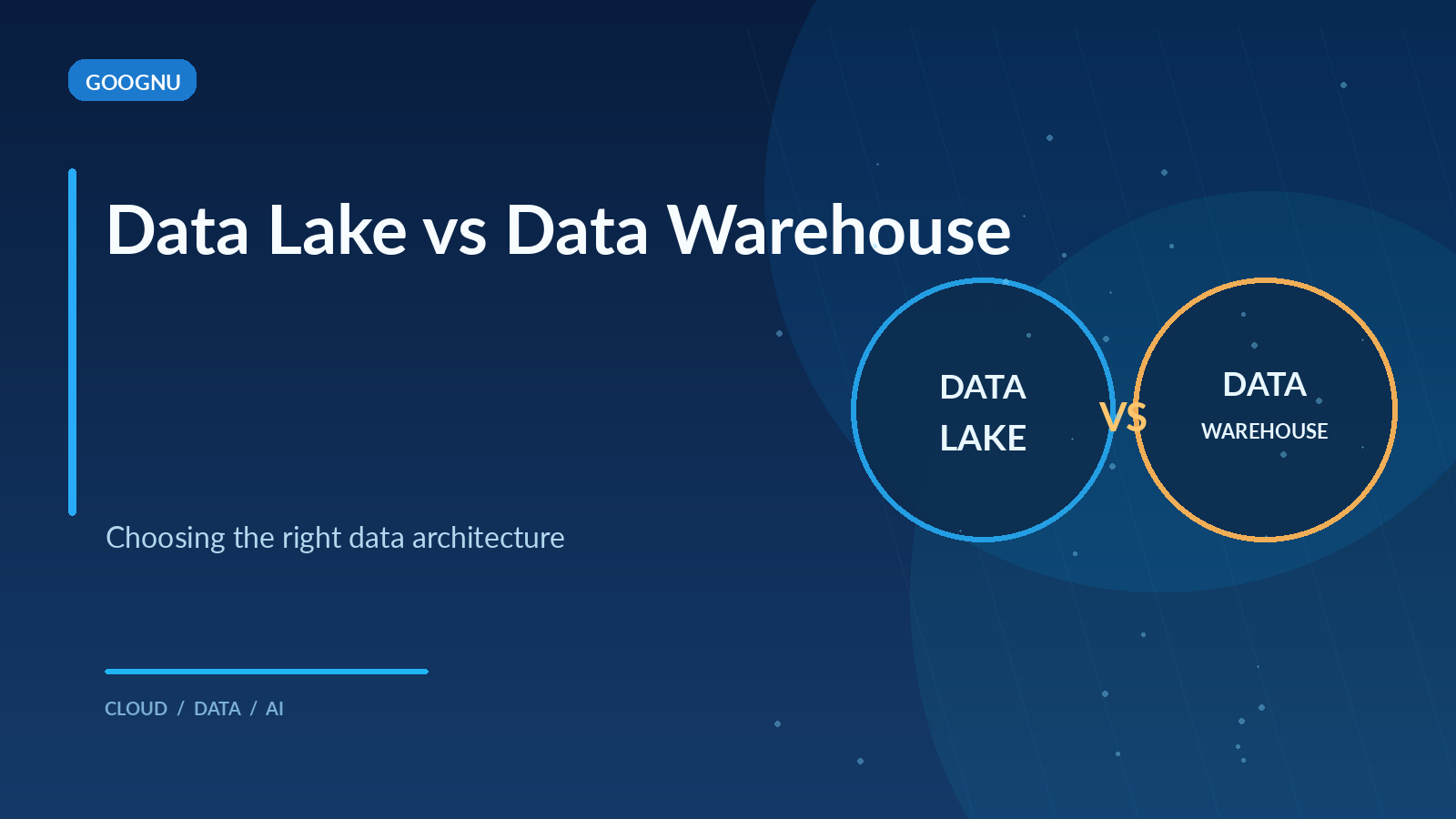
A data lake and a data warehouse serve different purposes in data management. Understanding their differences helps businesses choose the right solution for their needs.
Data Storage: A data lake stores structured, semi-structured, and unstructured data, including database records, JSON files, images, and application logs. A data warehouse mainly stores structured and prepared information.
Data Preparation: A data lake often stores data before it is fully processed, allowing teams to transform it when required. A data warehouse typically prepares and organises data before loading it for analysis.
Primary Uses: Data lakes support data exploration, machine learning, advanced analytics, and work with different data types. Data warehouses are commonly used for business reports, dashboards, and regular performance analysis.
Flexibility: A data lake allows teams to explore information for different purposes, including future projects that may not be defined yet. A data warehouse is generally designed around specific reporting and analytical requirements.
Typical Users: Data engineers and data scientists often use data lakes for processing and experimentation. Business analysts and reporting teams commonly use data warehouses to study business performance.
Many organisations use both systems together. A data lake can store information from multiple sources, while a data warehouse can provide clean, organised datasets for consistent reporting.
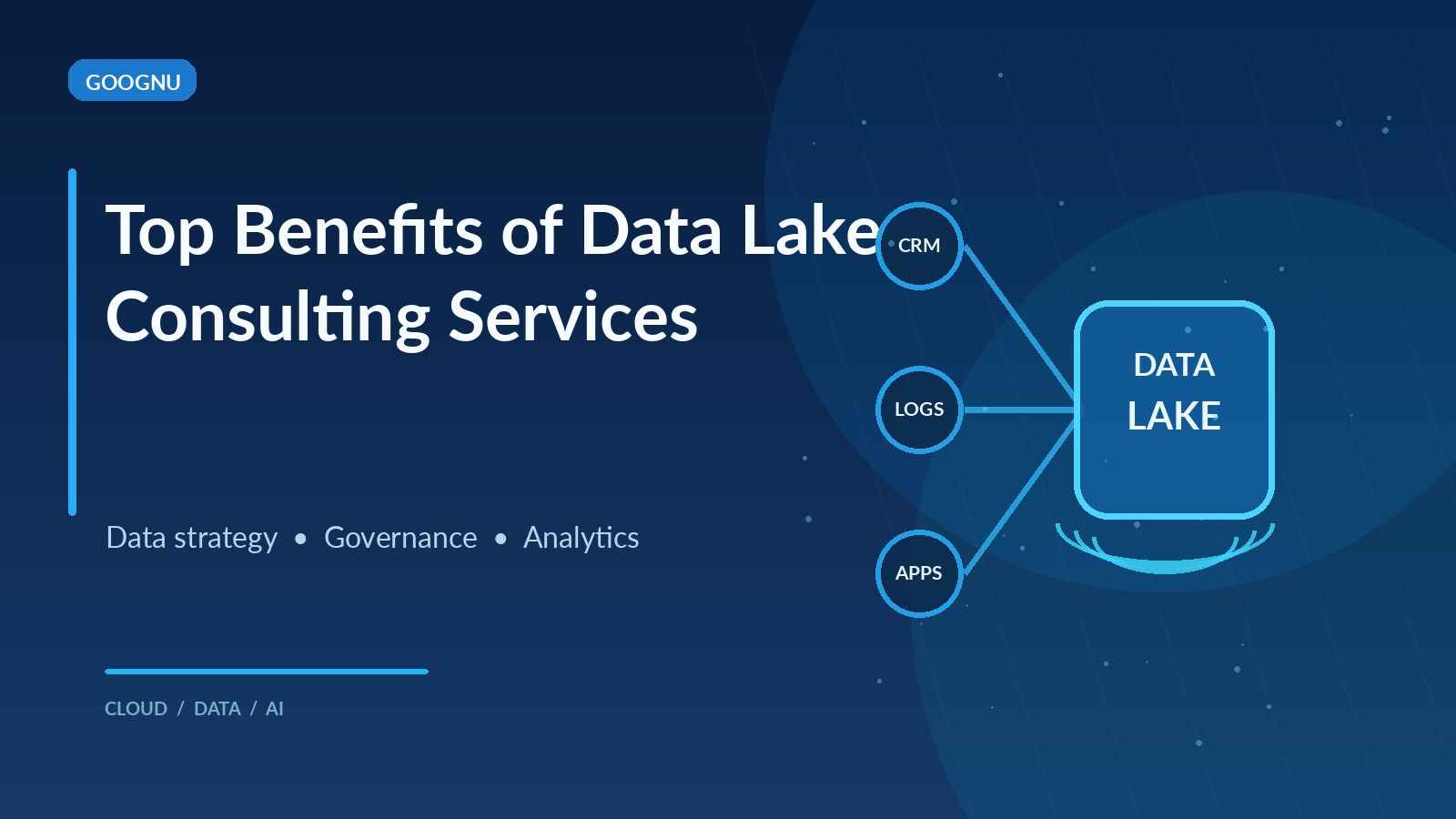
The Main Benefits of a Data Lake
A data lake can support business growth when it is designed around clear requirements and managed properly.
Flexible data storage: Teams can store information in different formats without defining every analytical requirement in advance.
Support for advanced analytics: Data scientists can access historical records, application logs, images, and other information for machine learning and deeper analysis.
Centralised access: Bringing information from separate sources into one environment can make it easier for authorised teams to work with related datasets.
Room for future projects: Information collected for one purpose may later support forecasting, customer analysis, fraud detection, or operational improvements.
Potential cost control: Cloud-based storage can offer flexible capacity, although total costs still depend on processing, data transfers, retention, and the services being used.
Where Are Data Lakes Used?
Data lakes support many industries because most organisations collect information from several systems.
In retail, businesses can combine sales records, customer feedback, inventory data, and website activity to understand buying behaviour. In financial services, authorised teams can examine transaction histories and system records to support risk analysis and fraud detection.
Manufacturing companies may use equipment sensor readings and maintenance logs to identify unusual patterns. Technology businesses can analyse application logs, usage events, and performance data to investigate errors and improve user experiences.
The value depends on the quality of the information, the questions being asked, and how effectively teams can access and interpret the results.
Common Data Lake Challenges
Although data lakes offer flexibility, poor management can make them difficult to use.
One common problem is the data swamp. This occurs when large amounts of information accumulate without proper documentation, organisation, quality checks, or ownership. Users may struggle to identify reliable datasets or understand what individual files contain.
Security is another concern. Sensitive information must be protected through access controls, encryption, monitoring, and appropriate retention policies. Organisations also need to consider data privacy requirements and maintain clear records of how information is collected and used.
Finally, storage costs do not represent the entire expense. Data processing, analytics tools, data movement, and ongoing maintenance can add to the overall cost. Regular monitoring and clear governance help businesses manage these challenges.
Is a Data Lake Right for Your Business?
A data lake may be suitable if your organisation works with large volumes of information from different sources, expects new data types to emerge, or needs a foundation for advanced analytics and machine learning.
Before building one, identify the business problems it should solve. Review existing data sources, estimate storage and processing needs, define access rules, and decide who will maintain data quality. Starting with a focused use case can help teams prove the value before expanding the environment.
The right architecture depends on the organisation's goals, existing systems, technical skills, and security requirements. A data lake is most useful when storage, processing, governance, and analysis work together as part of a clear data strategy.
Frequently Asked Questions
1. What is a data lake in simple terms?
A data lake is a central place where an organisation stores different types of data in their original or near-original formats so the information can be processed and analysed when needed.
2. Is a data lake the same as cloud storage?
No. Cloud storage can hold files, but a data lake also involves organising, documenting, securing, and preparing data for analytical use. A data lake can use cloud storage as its underlying storage layer.
3. Does a data lake store raw data?
Yes. A data lake commonly stores raw data, although organisations may also keep cleaned, transformed, and analysis-ready versions of datasets.
4. Can small businesses use data lakes?
Yes. Small businesses can use data lake services when their data requirements justify the cost and complexity. Managed cloud options may reduce the need to maintain physical storage infrastructure.
5. What is the biggest risk of using a data lake?
Poor governance is a major risk. Without suitable documentation, quality checks, security controls, and ownership, a data lake can become difficult to manage and its information less reliable.
Conclusion
A data lake gives businesses a flexible way to store information from different sources and prepare it for future analysis. It can support reporting, machine learning, operational monitoring, and better business decisions when combined with effective data management.
Understanding what a data lake is the first step. The next is deciding how the organisation will collect, protect, organise, and use its data to meet real business needs.