

Businesses collect a lot of data every day. This information comes from websites, sales systems, customer records, mobile apps and many other sources. While it can help businesses understand their customers and improve their operations, managing everything in different systems can become difficult.
A data lake offers a way to bring this information together in one place. It can store different types of data, allowing businesses to use it for reporting, research and other analytical tasks. However, setting up a data lake is not always straightforward. Companies need to decide where the data will come from, how it will be stored, who can access it and how it will be used.
This is where data lake consulting services can help. Consultants guide businesses through the planning and implementation process, helping them choose suitable technologies and avoid common mistakes.
In this blog, we’ll look at the main benefits of data lake consulting services and why they can be useful for businesses of different sizes.
Why Are Businesses Investing in Data Lake Consulting?
Many businesses already have plenty of data, but finding useful information when they need it can be a challenge. Sales figures may sit in one system, customer details in another and website activity in a separate platform. Bringing these sources together takes time and effort.
A data lake can help solve this problem, but businesses need a clear plan to make it work properly. Without the right structure, a data lake can quickly become a place where information is stored but rarely used.
Consultants help businesses understand their requirements before choosing a solution. They look at existing systems, discuss what teams need from their data and recommend an approach that fits the organisation.
For a growing business, this could mean starting with sales and customer information before adding other data sources later. This approach allows the company to build its data platform gradually instead of trying to do everything at once.
1. Bring Data from Different Sources Together
One of the biggest challenges businesses face is that their information is spread across several systems. Teams may have to switch between applications or ask other departments for data before they can complete a report.
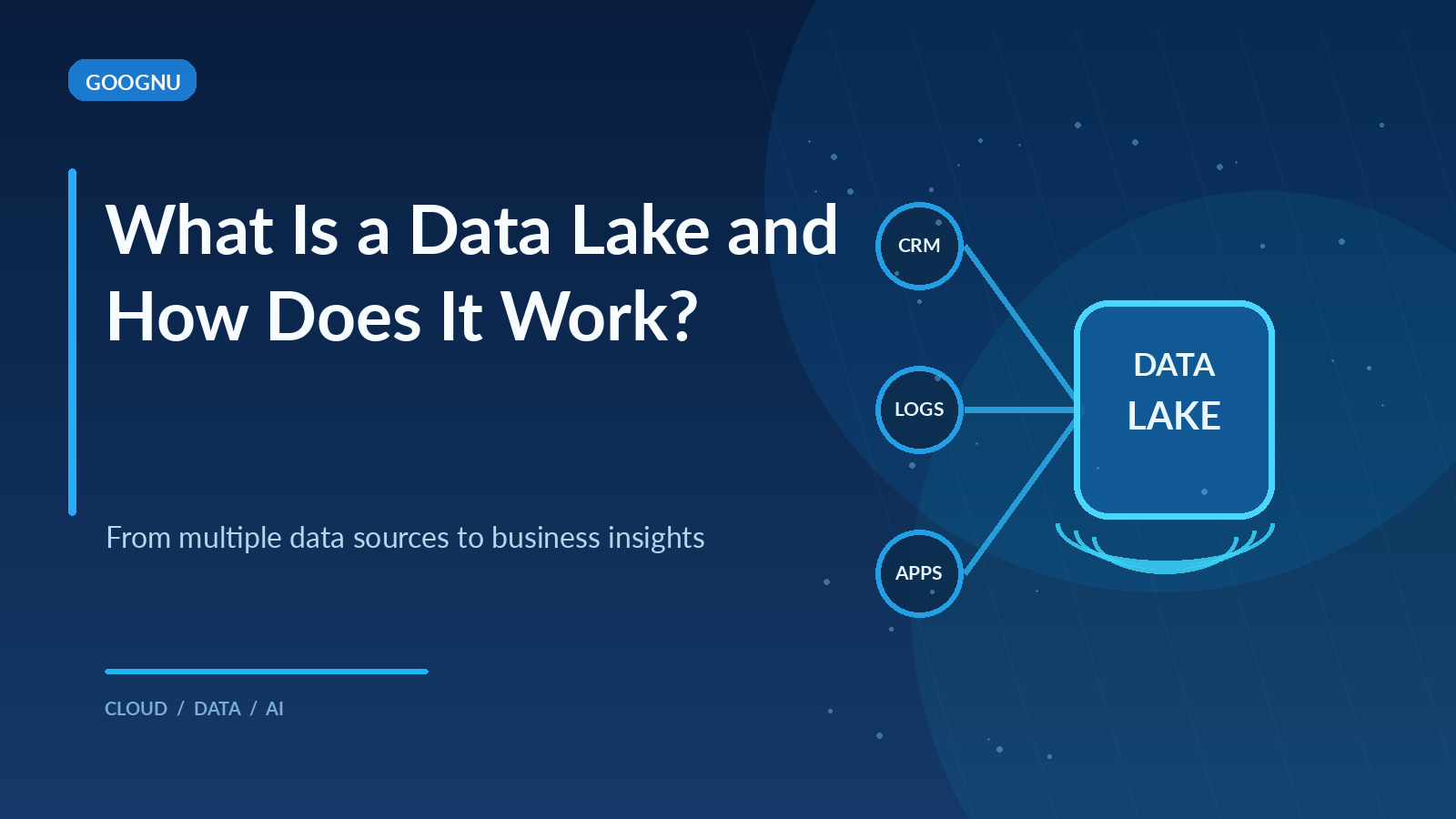
Data lake consulting services can help businesses plan a system that brings information from these different sources into one central environment.
For example, an online retailer might have customer details in its sales platform, product information in its inventory system and website activity stored separately. Bringing these datasets together can help the business understand which products customers view, what they purchase and where they leave the buying process.
Consultants can help identify suitable ways to collect and organise this information. They can also recommend how the data should be prepared before teams use it for analysis.
Having data in one place does not automatically solve every problem, but it gives businesses a better starting point for understanding what is happening across their operations.
2. Make Better Decisions with Reliable Information
Business decisions are easier to make when people have access to relevant and reliable information. However, when data is scattered across different systems, managers may struggle to get a complete picture.
A well-planned data lake can make it easier to study information from different sources and identify patterns that might otherwise go unnoticed.
Imagine a subscription-based company that wants to understand why customers stop using its service. It could examine subscription records, customer support conversations and product usage data together. This may help the team identify common problems and decide where improvements are needed.
Consultants can help prepare the data and select suitable tools for analysis. They can also help businesses decide which information matters most for their goals.
The final decisions still depend on how well the data is interpreted, but having the right information available can make the process more informed and less dependent on guesswork.
3. Prepare for Business Growth
A business rarely stays the same forever. As it grows, it may gain more customers, introduce new products or start using additional software. Each change can bring more data and new requirements.
A data lake designed only for current needs may become difficult to manage as these changes take place.
Consultants help businesses plan for future growth by considering expected data volumes, new sources and changing analytical requirements. They can recommend an architecture that allows the organisation to add capacity and services when needed.
For example, a company may initially use its data lake to analyse monthly sales. Later, it might want to include customer behaviour, website activity and information from new business locations.
With suitable planning, the company can expand its data environment without having to redesign everything from the beginning.
This does not mean building the largest possible system straight away. It means choosing an approach that meets today's needs while allowing sensible changes in the future.
4. Improve Data Quality
Having more data is not particularly useful if the information is incorrect or difficult to understand. Duplicate records, missing details and inconsistent formats can affect reports and lead to poor decisions.
These problems often occur when information comes from different systems that follow different rules.
Data lake consultants can help businesses create processes to check and prepare their data. This may involve removing duplicate records, standardising dates, checking required fields and identifying information that needs further attention.
For example, a business with offices in several locations might receive customer records in different formats. Before comparing the records, it needs to make sure that important fields follow consistent rules.
Consultants can help set up these checks and explain how data quality should be maintained over time.
The benefit is simple: employees can spend less time correcting information manually and have greater confidence in the data they use for their work.
5. Keep Business Data Secure
Businesses often store sensitive information, including customer details, financial records and internal reports. Bringing this information into a central system makes security an important part of the planning process.
Consultants can help businesses decide who should have access to different datasets and how that access should be managed. They can also recommend suitable encryption, monitoring and data retention practices.
For example, employees in the finance department may need access to financial records, while other teams may only require general business reports. Setting clear permissions helps prevent unnecessary access to sensitive information.
Businesses operating in the UK should also consider their responsibilities under applicable data protection laws, including the UK GDPR and the Data Protection Act 2018, where personal data is involved.
Security is not something that can be set up once and ignored. Access permissions, policies and monitoring practices need regular reviews as teams and business requirements change.
6. Manage Costs More Carefully
The cost of a data lake involves more than storing files. Businesses may also pay for data processing, transfers, analytics tools and ongoing maintenance.
Without proper planning, costs can rise as the amount of stored data grows. Unnecessary copies, inefficient queries and unused processing resources can add to the bill.
Consultants can review how a business plans to use its data and suggest ways to manage these expenses. For example, frequently accessed information may need readily available storage, while older records that are rarely used may be suitable for a lower-cost storage option.
They can also help businesses review their processing methods and identify workloads that use more resources than necessary.
The aim is not simply to spend less. Businesses need to balance costs with performance, security and the value they receive from their data platform.
With regular monitoring and sensible planning, organisations can make better decisions about where their data is stored and how their resources are used.
7. Make Data Easier for Teams to Use
Even when a business has collected useful information, employees may struggle to find it. They might not know which dataset to use, what a particular field means or whether the information is up to date.
A well-organised data lake can make these tasks easier.
Consultants can help create clear naming rules, maintain a catalogue of available datasets and document where the information comes from. They can also help establish guidelines for preparing and sharing data between teams.
For instance, a sales analyst should be able to find the correct sales dataset without asking several colleagues where it is stored or how it was prepared.
Clear documentation and ownership also help employees understand who is responsible for maintaining particular datasets.
These small improvements can make a real difference to everyday work, especially in businesses where several departments depend on the same information.
8. Reduce Problems During Implementation
Building a data lake involves several decisions, including which cloud services to use, how to connect existing systems and how to manage security. If these decisions are made without a clear plan, businesses may face delays and expensive changes later.
Consultants can help identify the main requirements before development begins. They can recommend suitable technologies, plan implementation stages and highlight possible issues with existing systems.
A business might begin with a small project, such as bringing sales data together for reporting. Once the setup has been tested, it can add more data sources and analytical requirements.
This gives the team a chance to learn from the first stage before expanding the platform.
Consultants can also document how the system works and guide internal employees through the setup. This helps the business manage the data lake after the initial project is complete.
How to Choose the Right Data Lake Consulting Partner
Choosing a consulting partner requires more than comparing prices. You need a team that understands your business requirements and can explain technical decisions clearly.
Before making a choice, consider the following points:
Relevant experience: Look for experience with data integration, cloud platforms and data architecture projects.
Clear communication: The consultant should explain the proposed solution without relying on unnecessary technical language.
Security planning: Check how the team will handle access controls, data protection and governance.
Cost transparency: Ask about project fees, ongoing cloud expenses and any additional support costs.
Ongoing guidance: Make sure your employees will receive the documentation and knowledge needed to manage the system.
It is also worth discussing what success will look like. You might want to reduce the time needed to prepare reports, improve data quality or make information available to more teams.
Having clear goals helps both sides understand what the project needs to achieve.
Final Thoughts
A data lake can help businesses bring different types of information together and make better use of the data they already collect. However, getting the most out of it requires proper planning, good data management and the right security measures.
Data lake consulting services help businesses work through these requirements, from choosing an appropriate architecture to improving data quality and managing costs. They can also help organisations build a system that suits their current needs without making future changes unnecessarily difficult.
The best approach depends on the data your business collects, the problems you want to solve and the resources available to your team.
If you are exploring ways to improve your cloud data environment, visit to learn more about its cloud and data-related services.
Frequently Asked Questions
1. What Do Data Lake Consulting Services Include?
They may include planning the data architecture, connecting different data sources, setting up storage and processing, improving data quality, managing security and preparing the system for analytics.
2. Are Data Lake Consulting Services Useful for Small Businesses?
Yes. Small businesses can use consulting services to choose an approach that fits their budget and requirements. They can begin with a specific business need and expand their data environment as the company grows.
3. Can Data Lake Consultants Help Reduce Cloud Costs?
They can review storage, processing and query patterns to identify potential savings. The results depend on the existing setup, the changes made and the business's ongoing data requirements.
4. How Do Data Lakes Help with Business Analytics?
Data lakes allow businesses to store information from different sources in one environment. Once the data has been prepared appropriately, teams can use it for reporting, trend analysis, customer research and machine learning.
5. What Should Businesses Consider Before Building a Data Lake?
Businesses should identify their main goals, existing data sources, storage needs, security requirements, budget and expected future growth. These details help determine which architecture and services are suitable.