

Businesses collect information from many sources, including websites, customer databases, mobile applications, sales systems and cloud platforms. Making sense of this information helps teams understand customer behaviour, improve daily operations and make better business decisions. However, storing data in the right place is just as important as collecting it.
Two common options are data lakes and data warehouses. Although both help businesses manage and analyse information, they serve different purposes. Choosing between them depends on the type of data your business collects, how you plan to use it and the results you want to achieve.
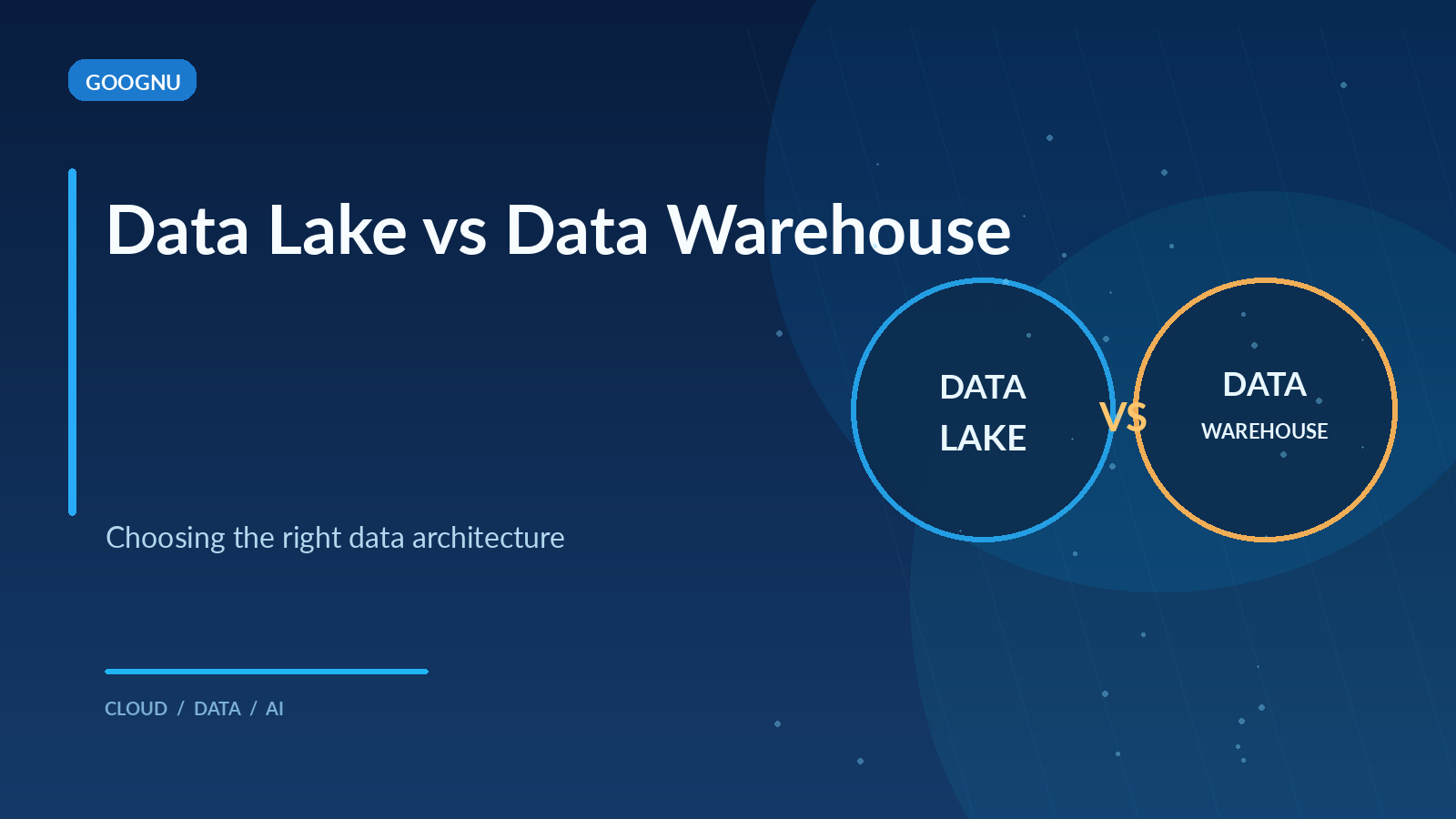
Understanding data lake vs data warehouse can help you select an approach that supports your current needs while leaving room for future growth.
What Is a Data Lake?
A data lake is a central storage system that holds large amounts of data in its original format. It can store structured, semi-structured and unstructured information without requiring everything to follow the same structure before storage.
For example, a business might collect customer details from a database, website activity logs, product images, customer support conversations and application records. A data lake can keep all these different data types in one place.
The data can then be prepared and analysed when a specific need arises. This approach is useful for businesses that want to explore information for different purposes, including machine learning, advanced analytics and reporting.
How Does a Data Lake Work?
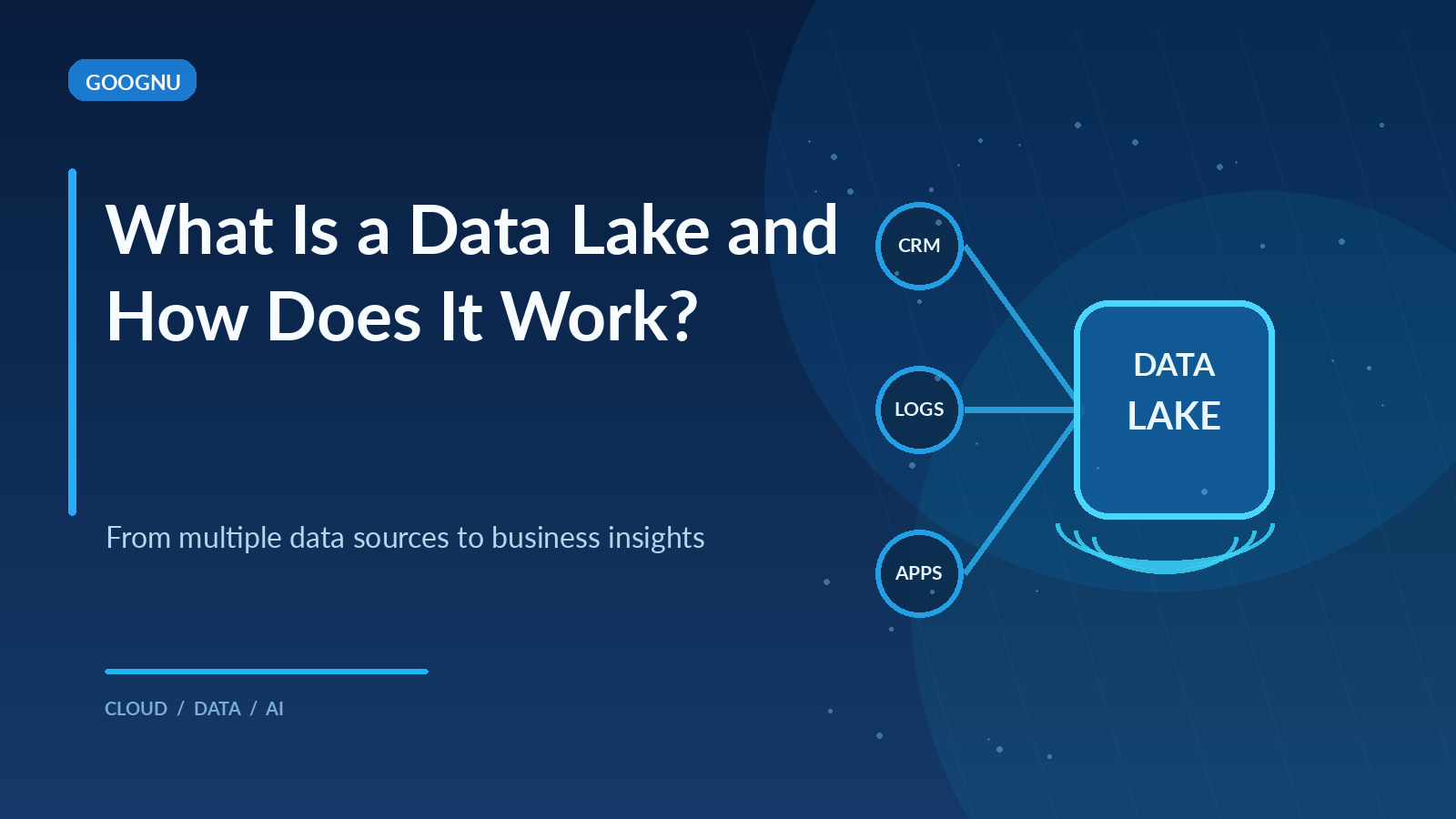
A data lake receives information from different sources and stores it in a central location. Data may come from business applications, cloud services, connected devices, transaction systems or external platforms.
Instead of requiring a fixed structure for every dataset before it is stored, a data lake allows information to be collected first and processed later. Teams can organise and prepare the data when they know what they want to investigate.
For instance, an online retailer could store product searches, customer reviews, sales records and website activity in a data lake. Its analytics team could later examine these datasets to understand why certain products attract more interest than others.
When Should a Business Use a Data Lake?
A data lake is a good option when a business handles different types of information or expects its data needs to change over time.
It is particularly useful for:
Machine learning: Teams can use large datasets to train models, test ideas and identify patterns.
Customer behaviour analysis: Businesses can examine website activity, feedback and purchase history to understand customer preferences.
IoT data collection: Organisations can store information from connected devices, sensors and equipment.
Data exploration: Analysts can investigate information for questions that may not have been identified when the data was first collected.
However, storing information in a data lake does not automatically make it useful. Businesses still need suitable data management practices, access controls, documentation and quality checks to keep information reliable and easy to find.
What Is a Data Warehouse?
A data warehouse is a central system designed to store organised, prepared data for reporting, business intelligence and analysis. Information is usually collected from different sources, cleaned, checked and structured before it is loaded into the warehouse.
This preparation helps ensure that reports use consistent definitions and reliable information. For example, a business may need every department to calculate monthly revenue in the same way. A data warehouse can provide a shared source of prepared data for that purpose.
Data warehouses are particularly useful for organisations that rely on regular reports, performance measurements and historical comparisons.
How Does a Data Warehouse Work?
A data warehouse collects information from systems such as customer relationship management software, accounting platforms, sales databases and business applications.
The information is then processed to correct errors, standardise formats and bring related records together. Once prepared, it is stored in a structure that supports queries, dashboards and reports.
Consider a UK retail business with several shops and an online store. Its sales information may be spread across separate systems. A data warehouse can combine this information so managers can compare sales by location, product category and month.
Instead of manually collecting figures from different departments, decision-makers can use reports built on a consistent dataset.
When Should a Business Use a Data Warehouse?
A data warehouse is suitable when an organisation needs dependable, structured information for regular business analysis.
Common uses include:
Financial reporting: Finance teams can review revenue, costs, margins and budget performance.
Sales analysis: Managers can compare sales across products, teams, locations and periods.
Business dashboards: Leadership teams can monitor key performance indicators using consistent data.
Historical comparisons: Analysts can track performance over time and identify changes that need attention.
A data warehouse is particularly valuable when different teams need to work from the same figures. However, it requires careful planning to determine which data should be included, how it should be structured and how often it should be updated.
Data Lake vs Data Warehouse: Key Differences
Although both systems help businesses store and use information, their main differences relate to data formats, preparation, flexibility and intended use.
1. Data Structure
A data lake can hold raw information in different formats, including documents, images, logs and structured records. This makes it suitable for organisations that collect information from many different sources.
A data warehouse generally stores prepared, structured information that follows defined rules. This makes it easier to run consistent queries and create reports.
The key difference: A data lake offers greater flexibility in the types of data it stores, while a data warehouse focuses on organised information that is ready for analysis.
2. Data Processing
Data lakes commonly follow a schema-on-read approach. This means the structure needed for analysis is applied when the data is accessed or processed.
Data warehouses usually follow a schema-on-write approach. Data is prepared and organised according to a defined structure before it is stored for use.
These approaches affect how teams prepare and access information. A data lake can be useful for exploratory work, while a data warehouse supports repeatable analysis using agreed data definitions.
3. Main Business Purpose
Data lakes support a broad range of activities, including machine learning, data science, exploratory analysis and the storage of diverse datasets.
Data warehouses focus more directly on business intelligence, reporting, financial analysis and performance monitoring.
The right option depends on what your teams need to do with the information. A business building predictive models may benefit from a data lake, while one producing weekly management reports may need a data warehouse.
4. Data Quality and Governance
Because data lakes can hold information in its original form, the data may need additional checks and preparation before it can be used confidently. Without clear ownership and organisation, a lake can become difficult to manage.
Data warehouses typically apply defined rules during data preparation. This helps maintain consistency across reports, although the quality of the final information still depends on the source systems and data management processes.
Both systems require proper governance, security, documentation and access controls.
5. Cost and Maintenance
The cost of either system depends on the chosen platform, storage volume, processing requirements, data transfer, security needs and level of ongoing maintenance.
A data lake can provide cost-effective storage for large volumes of diverse data, particularly when businesses use cloud storage and manage processing carefully. However, data preparation and governance can add costs.
A data warehouse may require more preparation before data becomes available for reporting. Query performance, storage capacity, licences and data integration can also affect the overall cost.
Rather than comparing storage prices alone, businesses should consider the total cost of storing, processing, managing and using their information.
Data Lake vs Data Warehouse: Comparison at a Glance
Neither system is automatically better than the other. The right choice depends on your business objectives, data requirements, technical resources and reporting needs.
Should You Choose a Data Lake or a Data Warehouse?
Before making a decision, consider how your organisation collects information and what it expects to achieve from it.
Choose a Data Lake If You Need Flexibility
A data lake may be the better option if your business collects information in several formats and wants to retain it for future analysis.
For example, a software company might store application logs, user activity, error records and customer feedback. Its engineering and data science teams can use these datasets to investigate performance issues, identify patterns and develop predictive models.
A data lake also suits organisations that are still exploring how their data could support new services or improve existing processes.
Choose a Data Warehouse If Reporting Is Your Priority
A data warehouse may be more appropriate if your business depends on regular reports and consistent performance measurements.
For example, a financial services company may need to review transactions, compare monthly revenue and prepare management reports. A warehouse can bring together prepared information from multiple systems to support these activities.
It is also useful when departments need agreed figures for decision-making, provided the underlying data is accurate and properly maintained.
Consider Both If Your Needs Are Broader
Some businesses benefit from using a data lake and a data warehouse together.
A data lake can store large volumes of raw information from different sources. Selected datasets can then be cleaned, transformed and loaded into a data warehouse for reporting and business analysis.
For instance, an e-commerce business could store website activity, search records and customer feedback in a lake. It could use a warehouse to prepare sales reports, track product performance and monitor customer retention.
This arrangement allows teams to explore a wider range of information while providing decision-makers with organised, reliable reports. However, it also introduces additional integration, governance and maintenance requirements, so the benefits should justify the added complexity.
How to Make the Right Decision for Your Business
Choosing between these systems should begin with a clear understanding of your data strategy rather than a preference for a particular technology.
Ask the following questions before committing to a solution:
What data do you collect? Identify whether your information mainly consists of business records or includes documents, logs, images and other formats.
Who will use the data? Consider whether the main users are business managers, analysts, engineers or data scientists.
What results do you need? Decide whether you want regular reports, deeper data exploration, machine learning or a combination of these outcomes.
How will the system grow? Consider future data volumes, new applications, reporting requirements and integration needs.
How will you manage security? Establish clear rules for access, retention, data quality and regulatory requirements.
You should also review your existing technology, team skills and budget. A solution that meets your needs today but becomes difficult to maintain later may create unnecessary costs.
For organisations planning a cloud-based data platform, the choice of storage system should fit into a wider architecture that covers data integration, processing, security, governance and analytics.
Goognu helps businesses explore cloud and data technology options that support their technical and operational goals. Visit to learn more about its cloud and data-related services.
Frequently Asked Questions
1. What Is the Main Difference Between a Data Lake and a Data Warehouse?
A data lake stores information in different formats, often in its original form, while a data warehouse stores prepared and structured information for reporting and analysis. The main difference is how data is organised and used.
2. Is a Data Lake Better Than a Data Warehouse?
Not necessarily. A data lake is useful for flexible data storage, exploration and machine learning. A data warehouse is better suited to structured reporting and consistent business analysis. The right option depends on your organisation's requirements.
3. Can a Small Business Use a Data Lake?
Yes. A small business can use a data lake if it needs to store different types of information or support advanced analytics. However, it should consider storage costs, technical skills and maintenance needs before choosing one.
4. Can a Data Lake and a Data Warehouse Work Together?
Yes. A data lake can store raw information, while a data warehouse can hold selected, cleaned and structured data for reporting. Using both can support different analytical needs, although the setup requires suitable integration and governance.
5. How Do I Choose Between a Data Lake and a Data Warehouse?
Start by identifying your data types, reporting needs, users, budget and future plans. Choose a data lake for flexible storage and varied analytics, a data warehouse for structured reporting, or both if your business needs the benefits of each.